
Individual & Group Counselling
Individual & Group Counselling
I’m a Registered Clinical Counsellor and Approved Clinical Supervisor providing individual, couples, and family counselling and clinical supervision in-person in Nanaimo and online
My career began as a Registered Nurse, where I spent time working in emergency nursing. I was drawn to the complexity of people’s lives and the opportunity to support individuals during some of their most difficult and vulnerable moments.
Emergency nursing taught me something that continues to shape my counselling practice today: people need to be understood within the context of their experiences, relationships, and circumstances. Sometimes the first step toward change is simply having someone listen without judgment.
Nursing gave me a deep appreciation for person-centred care. It taught me to look beyond a diagnosis or presenting problem and understand the whole person.
I learned that effective support begins with curiosity—taking the time to understand where someone has been, what they are experiencing now, and what matters most to them.
That perspective continues to guide my work as a Registered Clinical Counsellor in Nanaimo, BC.
My interest in the psychological side of health grew throughout my career. After nursing, I completed a Master’s degree in Adult and Community Education and worked as a nursing professor.
During my doctoral studies, which focused on chronic illness, I became increasingly interested in the relationship between psychological health, physical health, relationships, and healing.
This eventually led me toward counselling psychology and, ultimately, to becoming a Registered Clinical Counsellor.
I take an eclectic, person-centred approach to counselling. I don’t believe that one therapeutic approach is right for everyone.
Instead, I draw from different counselling modalities based on the individual or couple, their experiences, concerns, strengths, and goals.
Counselling is a collaborative process. Together, we explore what is happening, develop a greater understanding of patterns and behaviours, and identify possibilities for meaningful change.
The first few sessions are often about getting to know one another and developing an understanding of what brings you to counselling.
We will explore your experiences, concerns, relationships, strengths, and goals. From there, we can work together to develop a counselling plan that reflects what you want to accomplish.
You don’t need to arrive with everything figured out. Part of counselling is creating the space to understand what you need.
I work with adults and couples experiencing a wide range of concerns, including anxiety, stress, relationship difficulties, trauma, life transitions, emotional challenges, communication difficulties, conflict, and patterns that feel difficult to change.
I am particularly interested in helping people understand the patterns that have developed in their lives and relationships and exploring how those patterns might be changed.
Yes. Couples counselling is an important part of my practice.
I have completed Gottman Method Couples Therapy training through Level 3 and am continuing my training toward certification in Relational Life Therapy (RLT).
I work with couples experiencing communication difficulties, recurring conflict, emotional disconnection, relationship dissatisfaction, and high-conflict patterns. I also work with couples who are not in crisis but want to strengthen their relationship and develop a deeper understanding of one another.
Yes. My training in the Gottman Method and Relational Life Therapy has given me particular interest in working with couples who feel caught in repetitive cycles of conflict, defensiveness, criticism, withdrawal, or disconnection.
Rather than focusing simply on who is right or wrong, we work toward understanding the relational patterns that keep couples stuck and developing healthier ways of responding to one another.
Trauma-informed counselling is an important part of my practice. I have a particular interest in how difficult and overwhelming experiences can continue to influence emotions, relationships, self-perception, and responses to stress.
I continue to pursue advanced training in EMDR (Eye Movement Desensitization and Reprocessing) and incorporate trauma-informed approaches into my work where appropriate.
I bring experience from several different professional worlds—nursing, education, research, and counselling.
These experiences have shaped my belief that people are complex and that meaningful change rarely happens by simply telling someone what they should do.
I am interested in understanding why we think, feel, and behave the way we do, while also helping people consider what they may want to change.
For me, personal growth is not about becoming a completely different person.
It is about developing greater self-awareness, emotional flexibility, differentiation, and choice. It can mean understanding yourself more deeply, recognizing longstanding patterns, becoming more comfortable with difficult emotions, or learning to respond differently in your relationships.
Counselling can provide a space to step back from familiar patterns and consider new possibilities.
Sometimes we come to counselling because we want something to stop—less anxiety, less conflict, fewer arguments, less overthinking.
Other times, we are looking for something to begin—greater confidence, healthier relationships, better communication, stronger boundaries, or a greater sense of meaning.
Whatever brings you to counselling, my goal is to help you better understand yourself and your circumstances so that meaningful and lasting change becomes more possible.
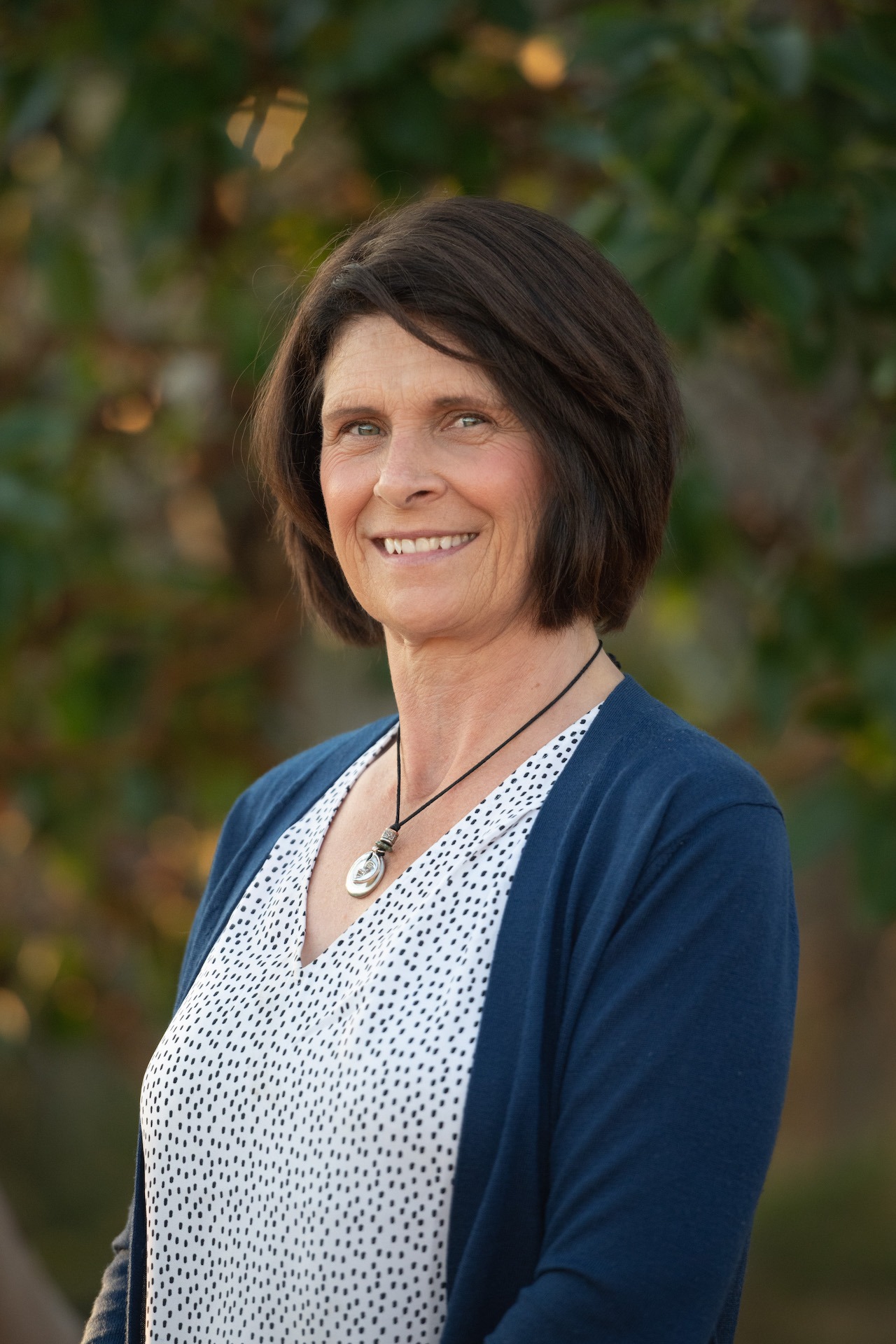
My approach is collaborative, compassionate, and grounded in the belief that meaningful counselling begins with a strong therapeutic relationship. I work with clients to understand what they are experiencing, explore patterns that may be keeping them stuck, and develop possibilities for moving forward.
I’m a registered member of the B.C. Association of Clinical Counsellors, the governing body for clinical counsellors in BC. Registration requires a Master’s Degree, supervised clinical experience, and adherence to professional and ethical standards.
Anxiety that won’t settle, thoughts that spiral, or a persistent sense of unease—even when life looks fine on the outside—can be exhausting.
Sometimes it shows up as overthinking, difficulty being present, or constantly anticipating what might go wrong. Other times, you may notice it in your body before you’ve even registered a thought.
If you’ve tried to think your way out of anxiety and find that the same patterns keep returning, we can explore the emotional, relational, behavioural, and physiological patterns contributing to what you are experiencing and develop ways of responding that feel more grounded and manageable.
Trauma can affect us long after an experience has ended. It can show up as feeling constantly on edge, emotionally numb, easily overwhelmed, disconnected from others, or unable to feel safe even when there is no immediate danger.
Trauma responses can include intrusive memories or images, nightmares, avoidance, heightened anxiety or alertness, difficulty concentrating, changes in mood, irritability, emotional numbness, sleep difficulties, or feeling disconnected.
Where appropriate, I draw on trauma-informed approaches, including EMDR, to support clients in processing distressing experiences. The pace is guided by the individual, with attention to readiness, emotional regulation, and the therapeutic relationship.
You do not have to have a formal diagnosis of PTSD to seek support for the effects of trauma.
Relationships can be deeply meaningful, but they can also bring out patterns that are difficult to understand or change. Couples may find themselves having the same arguments repeatedly, feeling emotionally disconnected, or struggling with trust, intimacy, communication, or boundaries.
My training in Relational Life Therapy (RLT) provides a framework for helping couples develop greater awareness, accountability, and responsibility for their contribution to the relationship.
My Gottman Method training (Levels 1, 2, and 3) provides additional research-informed strategies for strengthening friendship, communication, emotional connection, conflict management, and relationship repair.
I integrate these approaches according to the needs of each couple rather than following a one-size-fits-all model. My goal is to help couples move toward greater respect, understanding, accountability, and connection.
My training in systemic clinical supervision fundamentals has strengthened my ability to provide thoughtful, structured, and developmentally appropriate clinical supervision to student counsellors. Systemic supervision recognizes that counselling does not occur in isolation; the client, counsellor, therapeutic relationship, family, community, organizational setting, and broader social context can all influence the counselling process.
In supervising student counsellors, I use this perspective to support the development of clinical reasoning, self-awareness, ethical decision-making, and confidence in therapeutic practice. Supervision provides an opportunity to explore not only what is happening for the client, but also how the counsellor’s own responses, assumptions, experiences, and developing professional identity may influence the work.
My approach to supervision is collaborative and supportive while maintaining appropriate clinical accountability. I aim to create a learning environment in which student counsellors can openly examine challenges, develop their therapeutic skills, recognize their strengths, and thoughtfully consider alternative ways of understanding and responding to their clients.
Ultimately, my goal is to help emerging counsellors develop the confidence, self-reflection, and clinical judgment necessary to provide safe, ethical, and effective counselling.
“When we have the opportunity to feel heard, understood, and supported, we can begin to make sense of our experiences and discover the tools and strengths available to support healing and growth.”
Dr. Ann Holroyd is a Registered Clinical Counsellor and Approved Clinical Supervisor. Her work is informed by a range of clinical training and approaches, supporting individualized counselling and supervision.